In the production of wet-process phosphoric acid, the carbonates, organic matter, and fluorine-containing compounds present in phosphate rock release a large amount of CO2 gas and HF gas when reacting with acid. These gases mix with sludge in the viscous reaction liquid and overflow. A stable foam layer forms on the liquid surface, making it difficult to eliminate mechanically. This foam not only affects the dispersion of phosphate rock and the acidolysis reaction but also hinders the evaporation of moisture and the removal of heat during the reaction process, causing the reaction temperature in the extraction tank to rise. In severe cases, foam can be carried into the tail suction system or even overflow, resulting in the loss of P2O3 and environmental pollution.
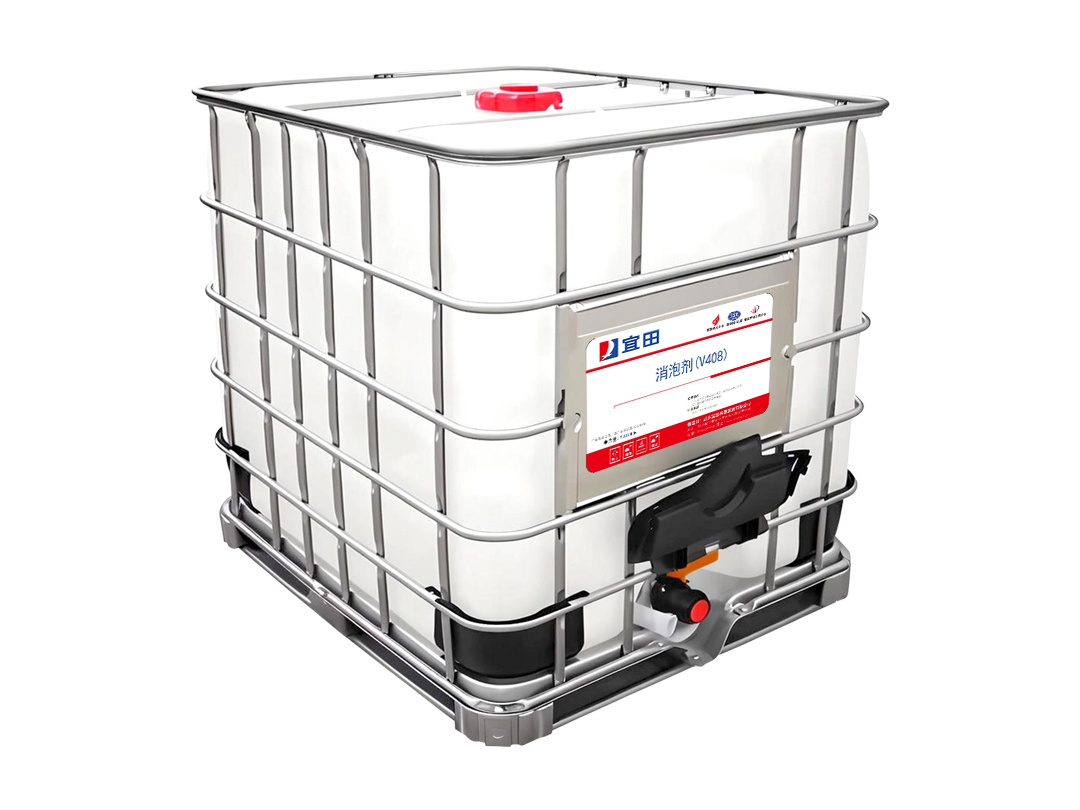
The V408 series defoamers developed by our company have good acid resistance and thermal stability, with a short defoaming time and strong foam suppression ability. They are suitable for defoaming in the production of wet-process phosphoric acid and phosphorus-containing compound fertilizers, with a recommended addition amount of 0.02 to 1.0% of the P2O3 content of the phosphate rock powder (the P2O3 content is generally used to evaluate the grade of phosphate rock). For defoaming in other mineral acidolysis processes, the recommended addition amount is the same as that for wet-process phosphoric acid.
Key words: Phosphate compound fertilizer auxiliariesreactiondefoaming